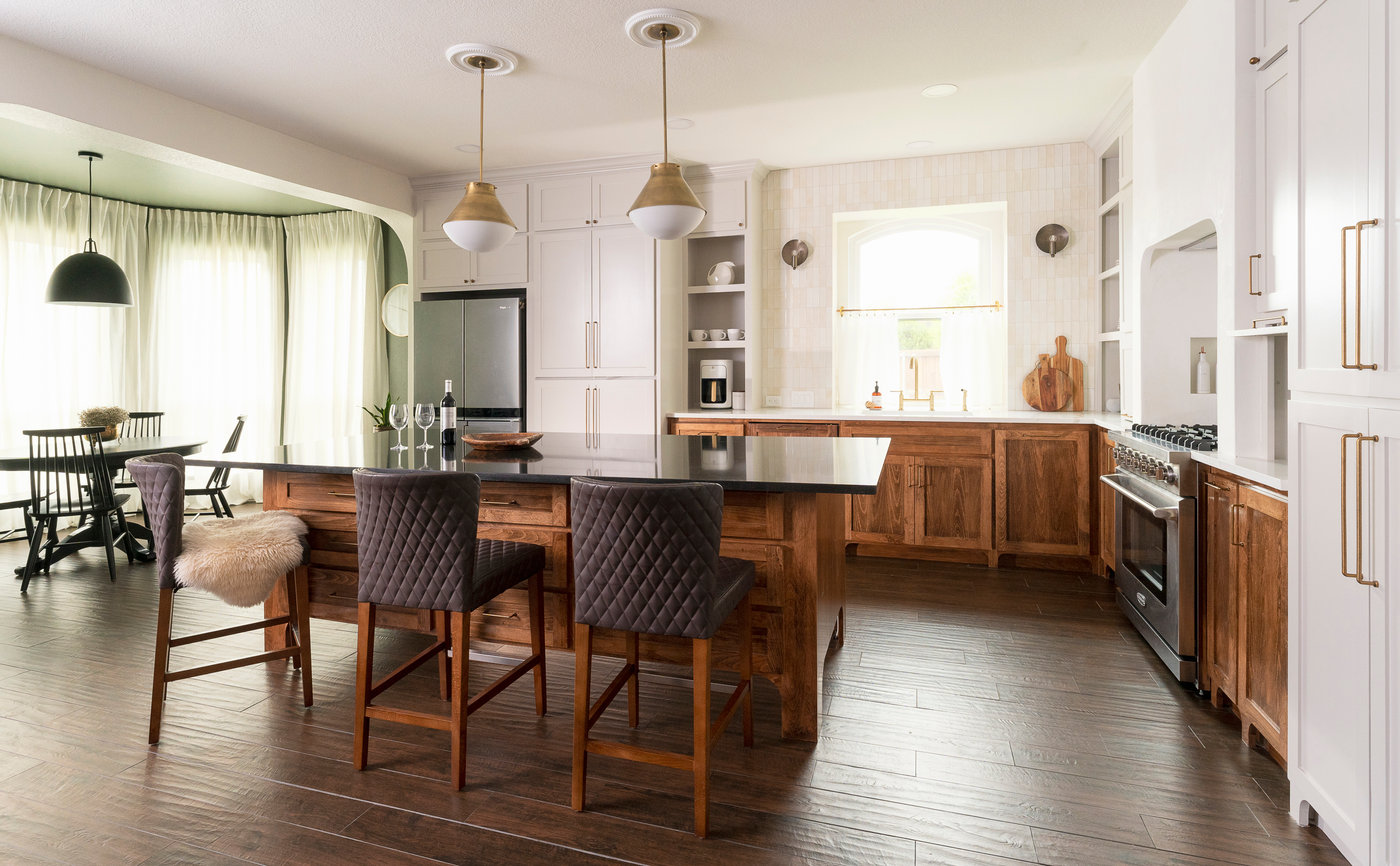
You’ve been eyeing your outdated kitchen for a while now. Or maybe your bathroom still looks like it did in 2003.. Your home doesn't feel like you anymore — and you're not sure what to do about it. In addition to increasing property value, a home remodel in Dallas, Texas is one of the most rewarding investments you can make to enhance your daily lifestyle and happiness.
…But it's also one of the biggest investments you’ll ever make. Walking into it without a roadmap is how homeowners end up over budget, overwhelmed, and wondering why they started in the first place.
This guide covers everything you need to know to begin your dream remodel. From what remodeling actually means how to budget without losing your mind and everything in between, bookmark this post — you'll need to come back to it.
Table of Contents:
- What Is a Home Remodel (And What It Isn't)
- Remodel or Move? How to Decide
- Why Homeowners Remodel
- Signs It's Time to Remodel
- Room by Room: What to Expect and What's Possible
- How to Plan a Home Remodel Without Getting Overwhelmed
- What To Expect In The Remodeling Process
- What To Know About Home Remodeling Permits in Texas
- How Long Does a Home Remodel Take?
- Living in Your Home During a Remodel
- How to Hire the Right Remodeling Contractor in DFW
- How to Budget for a Home Remodel in Dallas
- Start Your Home Remodel with Confidence
What Is a Home Remodel (And What It Isn't)
Before anything else, let's clear up some terminology that gets thrown around interchangeably but actually means very different things.
Renovation
A renovation is about restoring or refreshing what already exists. New paint, updated hardware, replacing cabinet doors — you're improving the surface without changing the structure or function underneath.
Remodel
A remodel goes further. You're changing how a space is structured or how it functions. Knocking out a wall to open up a kitchen, converting a spare bedroom into a home office, rethinking your entire floor plan… That's remodeling. The bones change, not just the skin.
Home Addition
A home addition is when you're adding square footage that doesn't currently exist — a new bedroom, a sunroom, an extra bathroom. A remodel works with what you already have. An addition builds beyond it.
A full home remodel can include all three of these things happening at once, coordinated under one plan.
Remodel or Move? How to Actually Decide
This is the question that keeps a lot of Dallas homeowners stuck. Unfortunately there's no universal right answer — but there are a few things worth thinking through before you decide.
For Remodeling
If you love your location, your neighborhood, your kids’ school district, or your commute, moving means giving all of that up. In the DFW market, finding a more desirable home in a comparable area often costs significantly more than remodeling the one you're already in.
For Moving
On the other hand, if your home has limitations that can't be changed — a lot size that won't support what you want, a layout that's structurally impossible to change, or a neighborhood that doesn't match your long-term goals — remodeling might be putting good money into the wrong investment.
The sweet spot for remodeling is when you like where you are but your home doesn't support your lifestyle or family goals.
Why Homeowners Remodel
Homeowners remodel for various reasons, but most projects fall into one of three buckets.
Aesthetics: When Your Home Doesn't Feel Like You
Your home should feel like an extension of who you are. When the finishes feel dated, the colors feel wrong, or every room feels like it belongs to someone else, that's actually a quality of life issue. Coming home (and sharing your home) should feel good. Remodeling for aesthetic reasons isn't superficial, it's intentional.
Functional: When The Layout Is Working Against You
Is your kitchen lacking storage? Maybe your living room is cramped with poor lighting? Does your master bathroom cause your heart rate to rise because of poor layout? Any one of these scenarios would be deemed a functional remodel. Functional remodels fix the parts of your home that quietly frustrate you every single day. This category of remodels usually produces the most satisfying results at the end of a project and oftentimes enhances our homeowner’s quality of life.
Resale & ROI: When You Need To Build Property Value
Not every remodel is about staying in the same home forever. Some savvy homeowners remodel with one eye on the future, making upgrades that increase property value and appeal to buyers when the time comes to sell.
In the DFW market, the upgrades that consistently deliver the strongest return include kitchen remodels, bathroom updates, open floor plan conversions, and curb appeal improvements.The key is not over-building for your neighborhood. The sweet spot is spending smart. Spending significantly more than comparable homes in your area can support is how ROI starts to shrink.
Signs It's Time to Remodel
Knowing when it’s the right time to remodel is different for everyone. Sometimes the signs are obvious (such as a damaging leak in the kitchen) and other times the signs are a bit more subtle.
Practically speaking, if you are spending on recurring maintenance that is never remedied, have outdated electrical or plumbing, have rooms with no real purpose, or a home layout that isn’t conducive to how you function as a family, it’s most likely time to remodel.
Every sign is not that serious though. Sometimes it’s time to remodel if you’ve been pinning kitchen inspiration photos for years. Or maybe you’ve been redecorating around a specific issue instead of fixing it. You walk into a friend's home and feel a pang of envy you can't quite shake. You've been waiting for a sign — and this is it.
If your home is making you feel stuck, uninspired, or like you're constantly working around it instead of living in it, that's reason enough.
Room by Room: What to Expect and What's Possible
Kitchen
The kitchen is almost always the heart of a home remodel — and for good reason. It's the most used room in the house and the one that has the most impact on both daily life and resale value.
A kitchen remodel can range from a thoughtful refresh — new cabinet faces, updated countertops, modern lighting — all the way to a full gut remodel that opens up walls, reconfigures the layout, and reimagines the entire space.
Popular features in DFW kitchens right now include:
- Large islands with seating
- Quartz countertops
- Custom cabinetry
- Open shelving mixed with closed storage
- Layered lighting that goes beyond a single overhead fixture
- Appliance garages for storing bulky items and keeping counters clear
- Custom drink stations- think mini bars or coffee stations
If your kitchen feels closed off, cramped, or just perpetually behind the times, it's usually the best place to start.
Bathroom
Bathrooms are high-impact, high-return spaces that don't require a massive footprint to feel luxurious. A primary bathroom remodel — especially one that introduces a freestanding soaking tub, a walk-in shower with frameless glass, double vanities, or heated floors — can completely transform how you start and end your day.
Guest and secondary bathrooms are also worth addressing in a full remodel, even if the updates are more modest. Consistent finishes throughout the home make everything feel intentional rather than pieced together.
Home Addition
When your home doesn't have the space you need, sometimes the answer is building it. Home additions in DFW are popular for primary suite expansions, additional bedrooms for growing families, dedicated home offices, and multi-purpose flex rooms.
Additions require more planning and permitting than interior remodels, but they also deliver some of the highest long-term value — especially in neighborhoods where larger homes command a significant price premium.
Media Room
A dedicated media room is one of those upgrades that sounds like a luxury until you have one — and then you can't imagine living without it. Done well, a media room combines acoustic design, lighting control, comfortable seating, and technology into a space that genuinely competes with a night out.
The details matter here more than almost any other room. Monochromatic color palettes that reduce light bounce, tiered seating for sightlines, built-in speakers, and blackout capabilities all separate a real media room from a room that just happens to have a big TV.
Laundry & Utility Room
The laundry room is one of the most underestimated spaces in a home remodel. It's also one of the most used — and one of the most neglected. Upgrading to a functional, well-designed laundry room with proper storage, countertop folding space, a utility sink, and cohesive finishes makes a chore feel significantly less like a chore.
It's a relatively modest investment compared to kitchens and bathrooms, but it adds a layer of polish to the home that buyers and homeowners both notice.
Open Floor Plan
If your home was built before 2010, there's a good chance it has a closed-off layout that was designed before open-concept living became the standard. Removing walls to connect the kitchen, dining, and living areas is one of the most transformative changes you can make — and one of the most impactful for both daily life and resale value.
It does require structural assessment to make sure load-bearing walls are handled correctly, which is another reason having an experienced contractor matters.
How to Plan a Home Remodel Without Getting Overwhelmed
Planning is where most homeowners either set themselves up for a smooth project or accidentally set the stage for stress. Here's how to approach it without spiraling.
Determine What You Really Want
Start with how you want your home to feel, not what you want it to look like. Do you want it to feel open and airy? Warm and cozy? Clean and minimal? Modern? Timeless? Starting with a feeling gives your contractor and designer something to anchor every decision to — and it helps you filter out the noise when you're drowning in options.
Wishlist vs. Realistic Scope
Make two lists. The first is your dream list — everything you'd do if budget and timeline were no object. The second is your priority list — the things that would make the biggest difference in how you live. The gap between those two lists is where smart remodeling decisions get made.
How to Prioritize Rooms
If you're remodeling multiple spaces, start with the rooms that affect your daily life the most. Kitchens and primary bathrooms almost always top the list because they're used every single day. From there, prioritize spaces that are either embarrassing to you or actively limiting how you use your home.
Design-Build vs. Hiring Separately
A design-build contractor handles both the design and construction under one roof. You work with one team, one contract, and one point of contact throughout the entire project. This tends to reduce miscommunication, keep timelines tighter, and make the whole experience more cohesive.
The alternative is hiring a designer and a general contractor separately, which gives you more individual control over each but also puts the coordination responsibility on you. For a full home remodel, most homeowners find the design-build approach significantly less stressful.
How to Read a Contractor's Proposal
When you get a proposal, the first thing to look for is specificity. A trustworthy proposal spells out exactly what's included — materials, labor, scope of work, timeline, and payment schedule. Vague line items like "miscellaneous work" or "allowances" without explanation are worth asking about - that way you don’t pay for things you don’t know about. The more detailed the proposal, the fewer surprises you'll encounter once work begins.
What To Expect In The Remodeling Process, Start to Finish
Here's what a well-run home remodel actually looks like from the first conversation to the final walkthrough.
- It starts with a consultation, where you share your goals, your vision, and your general budget range. This is less about having all the answers and more about getting aligned on direction with your contractor.
- From there comes the design phase — floor plans, material selections, finish choices. This is where most of the decision-making happens, and it should all be resolved before construction begins. Changes made mid-construction are one of the biggest drivers of cost overruns and delays.
- Once the design is finalized, scope and budget are locked in with a detailed contract. A reputable contractor gives you a clear breakdown of costs, timeline, and what happens if something unexpected comes up.
- Then construction begins — demolition first, then structural work, then mechanical (plumbing, electrical, HVAC), then finishes. It happens in phases, and while it's the most disruptive part of the process, it's also where your vision starts becoming real.
The project wraps with a final walkthrough to make sure everything is completed to your expectations before any final payments are made.
What To Know About Home Remodeling Permits in Texas
Most significant remodeling work in Texas requires permits, especially anything involving structural changes, electrical, plumbing, or HVAC. Permits exist to protect you, not inconvenience you. They ensure the work is inspected and up to code, which matters both for safety and for resale down the road.
A reputable contractor handles the permitting process for you and builds it into the project timeline.
How Long Does a Home Remodel Take?
Timelines vary significantly depending on scope. A single room remodel might take four to eight weeks. A multi-room or whole home remodel typically runs three to six months, sometimes longer for large custom projects.
The biggest driver of delays isn't usually construction, it's late/last-second decisions and change requests mid-construction. Choosing materials, finishes, and fixtures (and sticking to it) before work begins keeps everything on track.
Living in Your Home During a Remodel
For smaller projects, staying home is usually manageable with some adjustment. For full home remodels, many homeowners choose to temporarily relocate — especially during demolition and major construction phases. Your contractor should be upfront with you about what to realistically expect so you can plan accordingly.
How to Hire the Right Remodeling Contractor in DFW
Your contractor has more impact on your remodeling experience than any other decision you'll make. Here's what to look for.
Experience With Full Home Projects
A contractor who mostly handles small repairs is a different animal than one who regularly manages multi-phase, multi-room remodels. Make sure whoever you hire has a portfolio of completed projects at the scale you're planning.
Clear, Detailed Communication
If a contractor is vague or slow to respond before you've even hired them, it won't improve once the project starts. Clear, consistent communication from the first interaction is one of the most reliable indicators of a smooth project.
Transparent Pricing
Detailed written estimates with no vague line items. A contractor who can explain every cost and doesn't get defensive when you ask questions is someone you can trust.
Strong Local Reputation
Look for consistent reviews, real completed projects in the DFW area, and a company that's been around long enough to have a track record. References from past clients are worth asking for.
Red Flags to Watch For
High-pressure sales tactics, prices dramatically lower than every other quote, reluctance to put things in writing, and poor communication early on are all signs to walk away. The horror stories homeowners tell almost always involve at least one of these.
Questions to Ask Before You Sign Anything
- Are you licensed and insured in Texas?
- Who manages the project on-site day to day?
- How do you handle unexpected issues mid-project?
- What warranties do you offer on labor and materials?
- Can I speak to past clients?
How to Budget for a Home Remodel in Dallas
Once you're excited about what's possible, here's how to approach the financial side practically.
What Does a Home Remodel Cost in DFW?
Costs vary widely depending on scope, size, and finish level. A focused single-room remodel might run $30,000–$75,000. A multi-room or full home remodel in the DFW market typically starts around $100,000 and goes up from there depending on square footage, materials, and whether structural work is involved.
Custom finishes, layout changes, and high-end materials all push costs higher. Working with what you have — keeping existing layouts where possible, making strategic material choices — is where smart budgeting happens.
Set Your Budget Before You Fall in Love With Finishes
Decide what you're comfortable investing before you start selecting materials. It's easy to fall in love with a finish that's twice what your budget supports — and much harder to walk it back once you're attached to it.
The Hidden Costs Most Homeowners Miss
Permits, temporary housing during construction, design fees, and the inevitable surprises behind walls in older homes all add up. Setting aside 15–20% of your total budget as a contingency buffer isn't pessimistic — it's just smart planning.
How to Finance a Remodel
Common options include home equity loans, HELOCs (Home Equity Lines of Credit — essentially a credit line backed by your home's value), cash-out refinancing, and personal loans. Each has different implications for your interest rate, tax situation, and monthly payment. A conversation with your financial advisor before committing to a financing path is always worth having.
Start Your Home Remodel with Confidence
You now have a complete picture of what a home remodel in Dallas involves! The difference between a remodel that transforms your home and one that turns into a stressful ordeal always comes down to who you work with.
Zion Home & Building works with established Dallas, Plano, and surrounding homeowners who want their home to feel inspired, intentional, and built to last — without the chaos that gives remodeling its bad reputation. From the first consultation through the final walkthrough, you'll have a clear plan, consistent communication, and a team that treats your home like it's their own.
When you get serious about your home remodel plans…
Schedule your complimentary consultation and take the first step toward a home that finally feels like it was designed for you. No commitment, no payments, just a simple conversation to understand your goals.